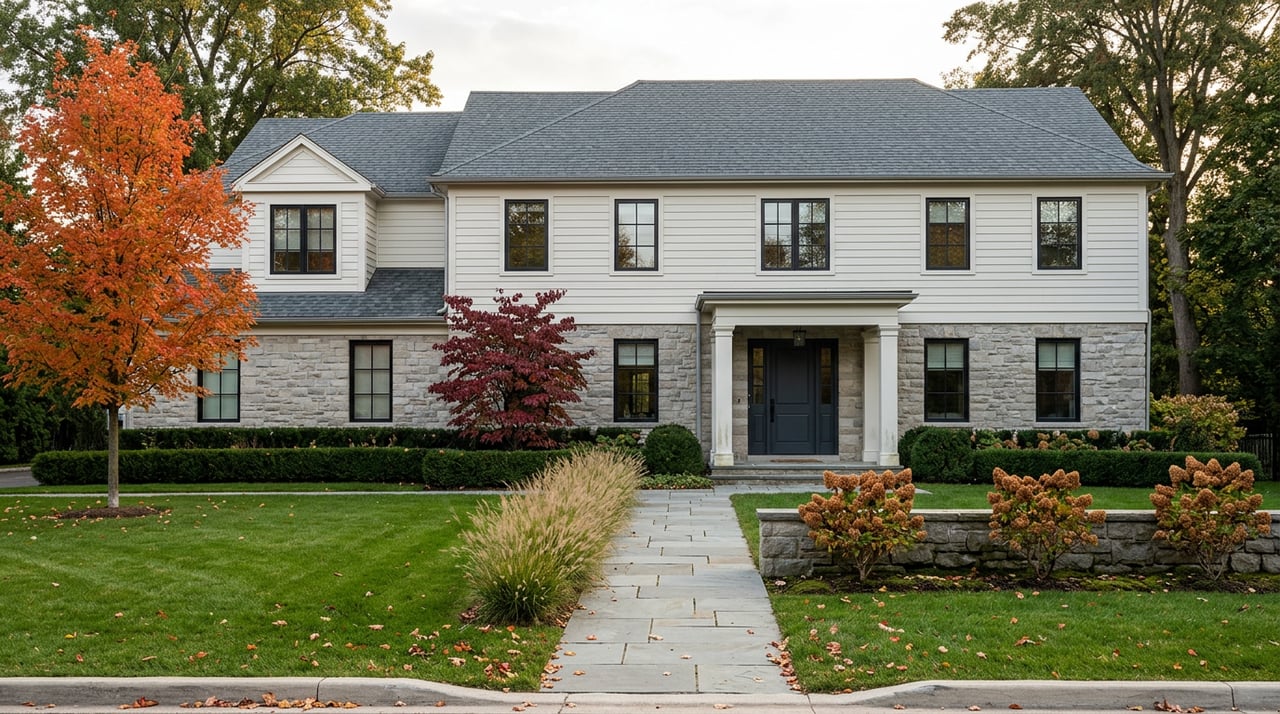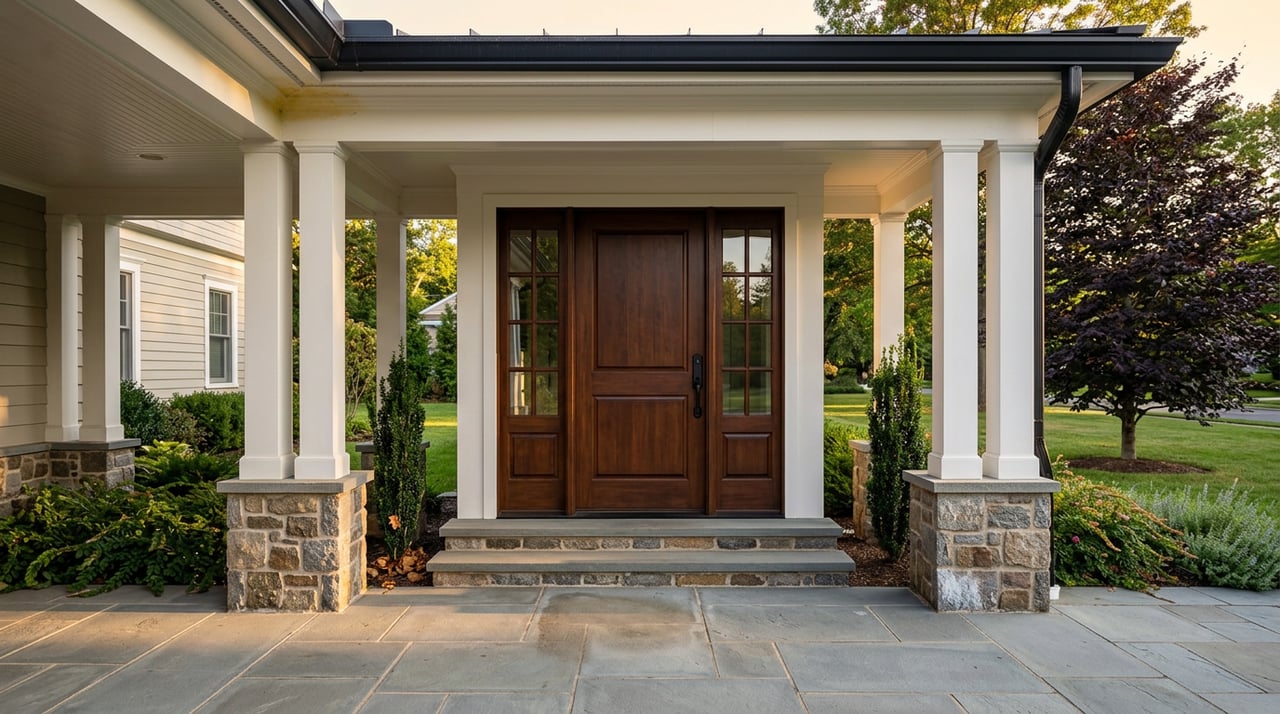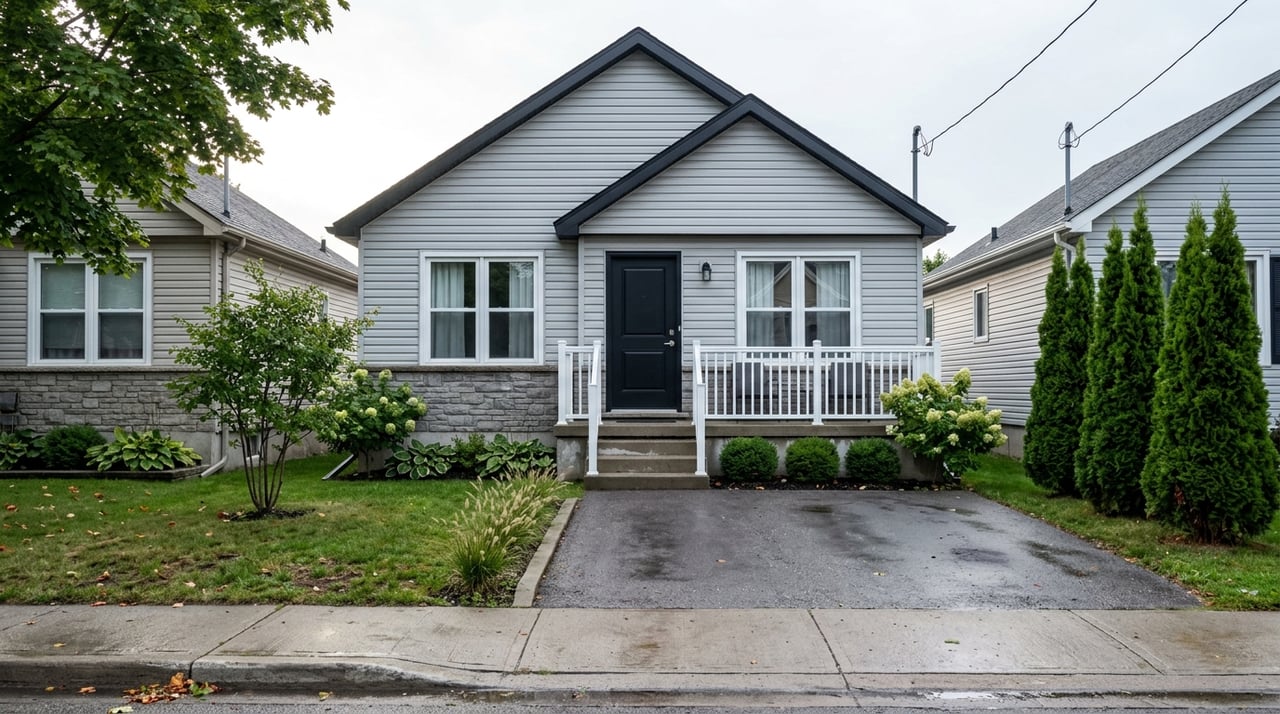
Moving for a better commute can feel like a trade-off. You want easier access to Toronto, but you also want the space, lifestyle, and value that come with living outside the core. If you are considering South Mississauga, Clarkson is one of the most practical places to start. This guide will walk you through what makes Clarkson appealing for commuter buyers, how local housing options compare, and what to think about before you make your move. Let’s dive in.
Why Clarkson Works for Commuters
For many buyers relocating to South Mississauga, Clarkson GO is the key piece of the puzzle. GO Transit lists the station at 1110 Southdown Road, and the station offers free customer parking, reserved and carpool parking, bike racks, and connections to both MiWay and Oakville Transit.
That mix matters in real life. If you do not want to drive every day, or if your commute will combine train and bus travel, Clarkson gives you more than one way to get where you need to go.
Clarkson is on the Lakeshore West line, west of Port Credit, Long Branch, Mimico, Exhibition, and Union Station in the corridor order. In simple terms, that means a commute from Clarkson to Union is generally longer than a trip from stations farther east. GO also notes that schedules can change, so it is smart to check the latest trip planner before you narrow your home search.
Transit Connections Add Flexibility
Commute value is not just about the train itself. It is also about how easily you can get to and from the station once you live there.
One of the biggest advantages for Clarkson buyers is GO Transit’s One Fare program, which allows free transfers between GO and participating systems including TTC, MiWay, and Oakville Transit when you use the same payment method. If you expect to mix regional rail with local transit, that can make your monthly routine simpler and more cost-conscious.
For buyers comparing South Mississauga to downtown Toronto or parts of Etobicoke, this flexibility is often a deciding factor. You may be able to keep more space at home without giving up access to the city.
Clarkson Lifestyle Beyond the Commute
A convenient station is important, but it is not the whole story. If you are relocating, you also want a neighborhood that feels livable once the workday ends.
Clarkson has deep roots in Mississauga. The City notes that it is one of the area’s earliest settled communities, with settlement beginning as early as 1807, and it is home to Bradley House and Benares Historic House. That history adds character that many buyers appreciate when they want a neighborhood with an established identity.
For everyday convenience, the same City source highlights the Clarkson Community Centre, which includes the Clarkson Branch Library, an arena, a gym, an outdoor children’s water play area, and multipurpose rooms. For many households, that kind of nearby infrastructure makes a real difference in day-to-day life.
Outdoor access is another major draw. Jack Darling Memorial Park offers waterfront access, picnic areas, tennis courts, a leash-free zone, native tallgrass prairie, and a paved section of the Waterfront Trail, with access to Rattray Marsh trails. If your ideal move includes greener space and lakefront access, Clarkson offers a strong lifestyle case.
What Homes Cost in Clarkson
If you are relocating from Toronto, price and home type will likely shape your decision just as much as transit access. The latest snapshot from TRREB’s Q4 2025 Mississauga community report shows Clarkson with an all-home average price of $1,139,919 and a median price of $885,000.
The same report breaks Clarkson down by property type:
- Detached homes: $1,780,000 average
- Semi-detached homes: $842,000 average
- Condo townhouses: $819,000 average
- Condo apartments: $599,000 average
These are useful benchmarks, but they are still snapshots based on recent sales, not fixed price caps. In practice, your budget, preferred home style, and proximity to transit will all shape what is available to you.
Clarkson vs Other Relocation Options
When you are choosing where to land, Clarkson often makes the most sense when you compare it side by side with nearby alternatives.
Clarkson vs Lakeview
According to the same TRREB report, Lakeview’s all-home average price was $1,209,239, with a median of $1,100,000 in Q4 2025. Detached homes averaged $1,379,000, semi-detached homes $1,205,000, condo townhouses $666,000, and condo apartments $578,000.
Lakeview is also shaped by major long-term development. The City says Lakeview Village comparison is not the direct source here, so we should rely only on the research provided: the City states Lakeview Village is a 177-acre waterfront redevelopment that could deliver 16,000 homes, including 1,200 affordable or attainable units, plus over 45 acres of parkland, six parks, trail connections, and a new pier. For buyers, that can signal future growth and added housing supply.
In broad terms, Clarkson may appeal more if you want an established commuter setup today, while Lakeview may appeal if you are comfortable buying into a waterfront area with a major redevelopment pipeline.
Clarkson vs Lorne Park
Lorne Park sits at a higher price point. TRREB reports an all-home average of $1,949,639, with detached homes averaging $2,240,000 in Q4 2025. That supports its reputation as a more expensive, lower-density option than Clarkson.
If your move is driven by value and commuting practicality, Clarkson may offer a more accessible entry point into South Mississauga. If you are prioritizing a higher-end detached profile and budget is less of a constraint, Lorne Park may also be on your list.
Clarkson vs Toronto Condo Living
If you are debating between South Mississauga and staying closer to the core, Toronto condo pricing is a useful benchmark. TRREB’s Q4 2025 condo market report shows the average condo apartment price in the City of Toronto at $690,607.
That citywide average is above both Clarkson’s condo apartment average of $599,000 and Lakeview’s $578,000. While that does not capture every submarket in Toronto, it gives relocation buyers a practical point of comparison when weighing commute, space, and budget.
Planning Changes Matter for Buyers
When you buy in a commuter-friendly area, it is worth understanding not only what the neighborhood looks like today, but also where it may be heading.
The City says the Clarkson Village Study is meant to guide future growth, improve village character, and add more housing and mixed-use buildings. The City’s FAQ also notes that Clarkson Village is a Growth Node, with lower heights and densities than the Downtown Core but higher than typical neighborhood areas, and that the Clarkson GO MTSA includes the station lands with an endorsed master plan and proposed official plan policies completed in 2025.
That does not mean every block will change overnight. It does mean buyers should be comfortable with the possibility of gradual intensification near the station and along Lakeshore Road West over time.
A Smart Relocation Checklist
Before you focus on listings, it helps to get clear on your non-negotiables. For most commuter buyers relocating to Clarkson, these are the questions that matter most:
- What is your acceptable one-way commute to Union Station?
- Will you drive, bike, walk, or use local transit to get to Clarkson GO?
- Do you want the lower-maintenance feel of a condo townhouse or condo apartment, or do you need detached-home space?
- Are you comfortable buying in an area where planning policies may gradually increase density near transit corridors?
Answering those questions early can save you time. It also makes it easier to compare Clarkson with other options across South Mississauga, Etobicoke, and Toronto.
Who Clarkson May Suit Best
Clarkson tends to fit buyers who want a suburban-lakeshore balance with real commuter function. You may find it especially appealing if you want:
- GO train access without relying on downtown living
- Multiple ways to reach the station, including parking, biking, and bus connections
- A wider range of housing types and price points than some nearby premium neighborhoods
- Access to parks, the waterfront, and established community amenities
For many relocation buyers, that combination is the sweet spot. You get everyday practicality, but you also get a neighborhood that offers more than just a station platform.
If you are weighing Clarkson against Lakeview, Lorne Park, South Etobicoke, or downtown Toronto, local guidance can make a big difference. At CHK Real Estate, we help buyers compare commute patterns, lifestyle priorities, and property options across the lakeshore so you can make a confident move.
FAQs
What makes Clarkson a good commuter area in South Mississauga?
- Clarkson offers GO rail access on the Lakeshore West corridor, plus parking, bike facilities, and connections to MiWay and Oakville Transit at Clarkson GO.
What are average home prices in Clarkson?
- TRREB’s Q4 2025 report shows Clarkson averages at $1,780,000 for detached homes, $842,000 for semi-detached homes, $819,000 for condo townhouses, $599,000 for condo apartments, and $1,139,919 across all home types.
How does Clarkson compare with Lakeview for buyers?
- Clarkson offers an established commuter setup and a broad housing mix, while Lakeview also offers waterfront appeal but is shaped by a major redevelopment pipeline that could add substantial future housing.
How does Clarkson compare with Lorne Park on price?
- Based on TRREB Q4 2025 data, Lorne Park is the pricier option, with an all-home average of $1,949,639 compared with Clarkson’s $1,139,919.
What should relocation buyers confirm before buying in Clarkson?
- You should confirm your acceptable commute time, how you will get to Clarkson GO, what home type fits your lifestyle, and whether you are comfortable with future planning changes near the station and village area.