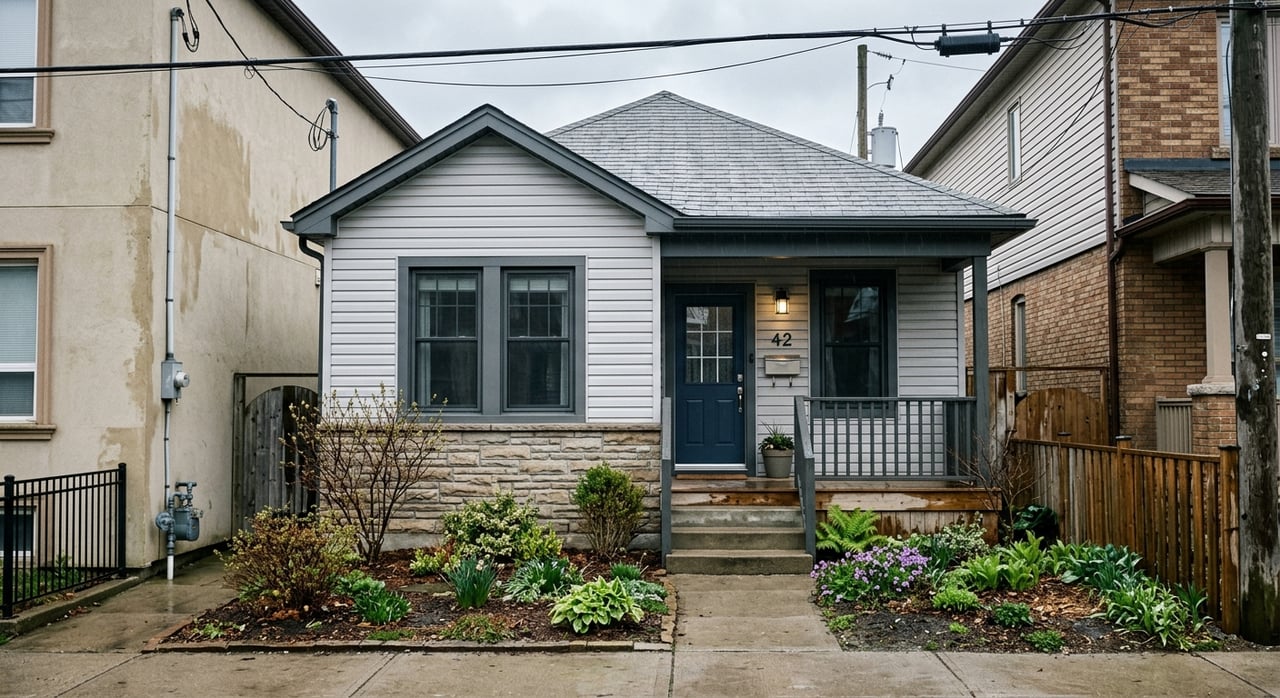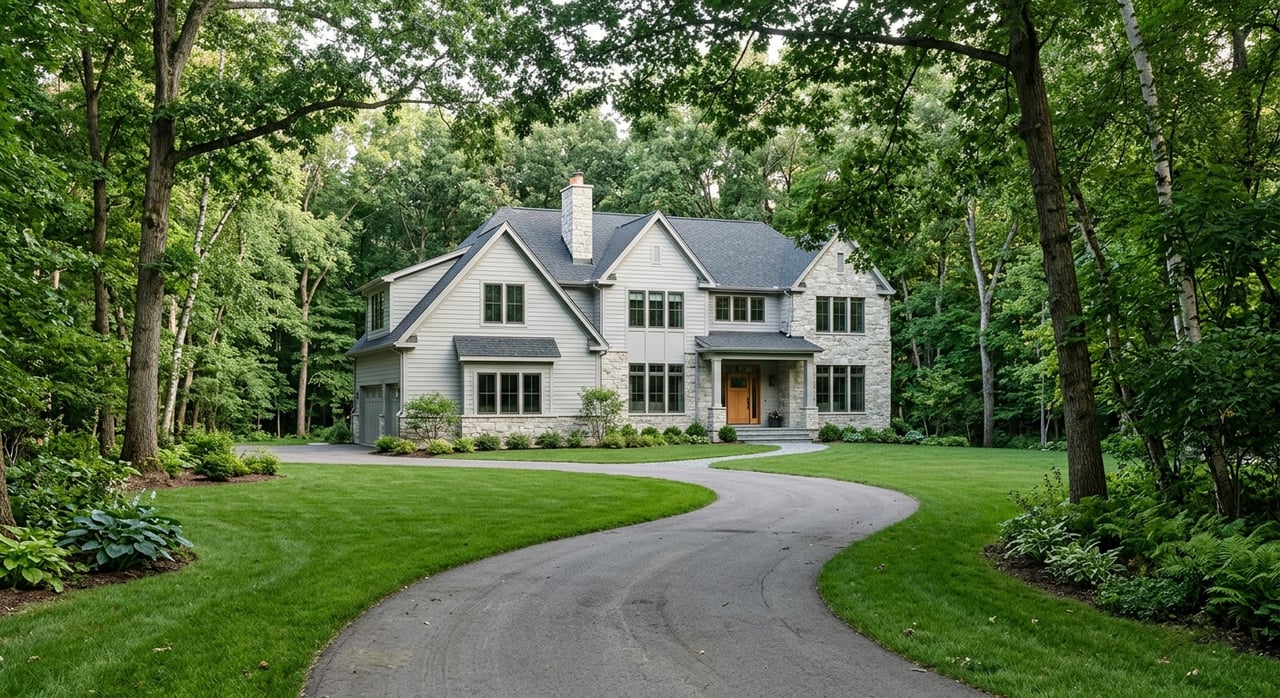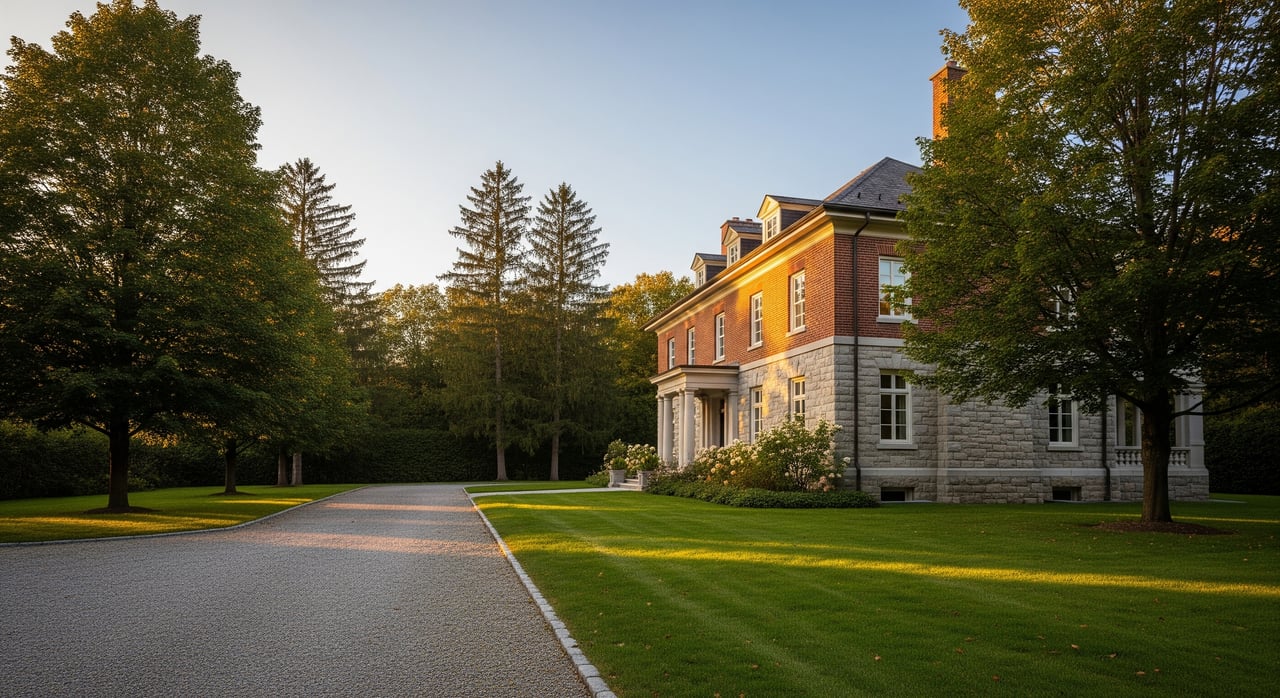
Eyeing a treed Mineola lot for your next home? Those towering canopies and generous yards are a big part of the neighborhood’s charm, but they also come with rules that shape what you can change, where you can build, and how long approvals take. If you want a smooth purchase and a smart plan for renovations or a custom build, you need to understand how trees, setbacks, and regulated lands work together.
In this guide, you’ll learn the essentials of Mineola’s mature lots, how local rules affect your design and budget, and a step-by-step due diligence workflow you can use before you offer. Let’s dive in.
Why Mineola’s mature lots are different
Mineola in south Mississauga is known for larger, older lots with a strong tree canopy. Many properties feature mature deciduous trees, established landscaping, and natural features like small creeks or valley edges. It creates privacy and a peaceful streetscape that buyers love.
That same character can reduce the buildable area more than you expect. Tree protection zones, municipal setbacks, and conservation authority rules all influence where additions, garages, pools, or new foundations can go. Understanding these layers early helps you buy the right lot and avoid costly redesigns later.
The rules that shape your plans
City tree protection
Mississauga regulates injury or removal of private trees above certain size thresholds. Permits are commonly required for regulated trees, and the City can impose replacement or compensation conditions and fines for unauthorized removal. The current definitions and triggers are updated by the City, so always check the latest Urban Forestry and Private Tree Protection guidance before you assume a tree can be removed.
What this means for you:
- A permit may be required to remove or significantly prune regulated trees.
- Replacement planting or fees can be conditions of approval.
- Penalties can apply if work happens without permits.
Zoning and setbacks
Your lot’s zoning dictates minimum setbacks, maximum lot coverage, and allowable height. Older Mineola parcels often predate today’s infill patterns, so side yards, front yards, or lot widths can differ from newer subdivisions. Do not rely on a neighbor’s dimensions or general assumptions. Confirm your zoning designation and any site-specific exceptions with the City’s planning team or a zoning certificate.
What this means for you:
- Setbacks and coverage limits define your building envelope.
- Variances may be needed if your design conflicts with current rules.
- Site-specific exceptions or holding provisions can change what is allowed.
Conservation authority areas
Mineola falls within Credit Valley Conservation (CVC) jurisdiction. CVC regulates development, grading, and interference with watercourses, wetlands, and floodplains. If your lot includes a ravine, creek, or hazard land, you may need a CVC permit. CVC can limit building locations, require setbacks from water features, and impose mitigation or compensation for tree removal in regulated areas.
What this means for you:
- Check regulated area mapping early in your search.
- Expect added review time if your plan touches hazard land or valley features.
- Permit conditions can influence final design and costs.
Heritage and title considerations
Certain trees or properties can carry heritage designations or conservation easements. Title can also include restrictive covenants or utility easements that limit building or tree work. Always review municipal heritage registers and have your lawyer confirm title encumbrances before you finalize plans.
How to evaluate a property
Use this buyer checklist as you tour homes and prepare an offer:
Title and encumbrances
- Ask your lawyer to review easements, rights-of-way, restrictive covenants, and conservation easements. Confirm any limits on building or tree removal.
Zoning and planning
- Obtain the property’s zoning category and confirm setbacks, maximum coverage, and height limits. If you anticipate variances, speak with a planner.
Site survey
- Secure an up-to-date registered survey. You need clear lot lines, existing structures, grades, and ideally tree locations. Surveys are critical for understanding true setbacks and whether trees straddle boundaries.
Tree status and health
- Request any prior tree permits, arborist reports, or correspondence with Urban Forestry. Hire an ISA-certified arborist to inventory species, measure trunk diameter, assess health, and map critical root zones. Ask them to flag hazardous trees, invasive species, roots near foundations, and potential permit requirements.
Conservation authority mapping
- Check if the property or your proposed work area sits in a regulated zone. If yes, clarify permit requirements and potential mitigation.
Utilities and servicing
- Identify underground utilities and the condition of older services. Tree roots and mature landscaping can complicate access and replacement.
Soil and geotechnical
- For major additions or new builds, get a geotechnical report. Soil and root interactions affect foundation design and can reduce risk of future settlement.
Neighbour and community context
- If boundary trees or shared fences are involved, plan early conversations. Confirm any neighborhood guidelines that could affect design.
Trees and setbacks: real impacts on design
Building envelope and footprint
Setbacks, conservation limits, and tree protection zones collectively shrink the usable area. This often affects where you can place a garage, how far you can extend an addition, and whether there is room for a pool or large deck. The practical building envelope is usually smaller than the lot size suggests.
Foundations and structure
Mature trees near proposed foundations require careful planning. Removing a large tree can change soil moisture, which may contribute to differential settlement if not addressed. You may need deeper footings, root barriers, or engineered solutions. If roots have affected an existing foundation, factor in underpinning or repairs.
Construction logistics and protection
Permits typically require tree protection zones during construction. Expect fencing, no-grade-change areas, restricted equipment access, and site supervision by an arborist. Noncompliance can lead to fines and restoration orders, and damage to trees can create long-term maintenance issues.
Costs and timelines
Budget ranges vary by lot size and complexity, but typical items include:
- Arborist report and tree protection plan: from several hundred to a few thousand dollars.
- Tree removal: small trees may be a few hundred dollars; large or hazardous trees near structures or roads can be 1,000 to 5,000+ dollars.
- Conservation authority and municipal permits: fees plus potential replacement plantings or cash-in-lieu. These add cost and time.
- Approvals and construction start: expect weeks to months depending on scope. Regulated-area permits or variances will extend timelines.
A smart due diligence workflow
Pre-offer
- Ask the seller for any survey, previous tree permits or arborist reports, conservation authority correspondence, and planning approvals.
- Do a quick zoning lookup and review regulated area mapping.
- Have your lawyer do an initial title check if possible.
Offer conditions
- Make the offer conditional on a satisfactory arborist inspection and a current survey confirming buildable area.
- Seek confirmation from the City and conservation authority on permit needs for your intended renovations, or obtain a planning opinion.
Post-conditions and pre-closing
- Commission a detailed arborist report and preliminary tree protection plan.
- If required, apply for municipal tree permits and conservation authority permits as early as possible.
- Line up quotes and contingencies for mitigation, replacement planting, and any design revisions.
Pre-construction
- Install tree protection measures and have your arborist sign off.
- Meet permit conditions and coordinate site access to respect protection zones.
Common pitfalls to avoid
- Assuming a tree is not regulated because it looks small. Only measurements and current by-law thresholds determine permit needs.
- Overlooking regulated lands until after offer. Always check conservation mapping before bidding.
- Relying on seller statements about setbacks or lot coverage. Verify zoning and review a current survey.
- Removing large trees without engineering advice. Sudden changes in soil moisture can affect nearby structures.
- Underbudgeting for approvals and mitigation. Set aside a 5 to 15 percent contingency for site-specific requirements.
Who to have on your team
- ISA-certified arborist: Inventory, DBH measurements, health assessment, critical root zone mapping, and a tree protection plan.
- Registered land surveyor: Accurate lot lines, structures, grades, and tree locations for permitting and design.
- City Urban Forestry and Planning: Clarify tree permits, setbacks, lot coverage, and approvals or variances.
- Credit Valley Conservation: Confirm regulated lands, setbacks from watercourses, and permit requirements.
- Geotechnical or civil engineer: Foundation design, soil bearing, and solutions for root-related concerns.
- Real estate lawyer: Title review for easements, covenants, and any conservation or heritage restrictions.
- Landscape architect or qualified tree contractor: Replacement planting plans and safe removals.
Putting it all together
Buying a treed Mineola lot can set you up for a beautiful long-term home, but the details matter. When you understand how private tree protection, zoning, and conservation rules work together, you can price the property correctly, design confidently, and avoid delays. Start with facts you can verify, bring the right experts in early, and keep time and budget buffers for approvals and mitigation.
If you are weighing two or three properties and want a second opinion on build potential, timelines, and due diligence steps, reach out to the local team that guides buyers through this every week. Request a personalized market consultation with CHK Real Estate to review your goals, short-list the right lots, and connect you with trusted arborists, surveyors, and permit specialists.
FAQs
Protected trees in Mineola: how do I check?
- Ask an ISA-certified arborist to measure diameter and assess health, then confirm permit triggers with the City’s current private tree protection rules.
Zoning setbacks in Mississauga: what do they affect?
- Setbacks and lot coverage define your buildable envelope. Combined with conservation limits and tree protection zones, they influence where additions, garages, and pools can go.
Conservation permits near creeks: will I need one?
- If your lot or planned work is in a regulated area, Credit Valley Conservation may require a permit and impose conditions such as setbacks and replacement planting.
Neighboring trees and additions: do they matter?
- Yes. Overhanging branches and roots can affect your design and construction. Boundary trees require care, and you should consult an arborist and your lawyer for cross-boundary issues.
Budgeting for tree work: what are typical costs?
- Arborist reports often range from several hundred to a few thousand dollars. Removals vary widely, with large or hazardous trees often costing 1,000 to 5,000+ dollars, plus any required replacements.