Trying to choose between a freehold home and a condo in Mississauga? It is a big decision that affects your lifestyle, budget, and long‑term plans. You want clarity on costs, rules, and what daily life looks like in each option before you commit. This guide breaks down the differences in plain language and uses Cooksville and nearby Gordon Woods to show how each option can fit your goals. Let’s dive in.
What freehold means
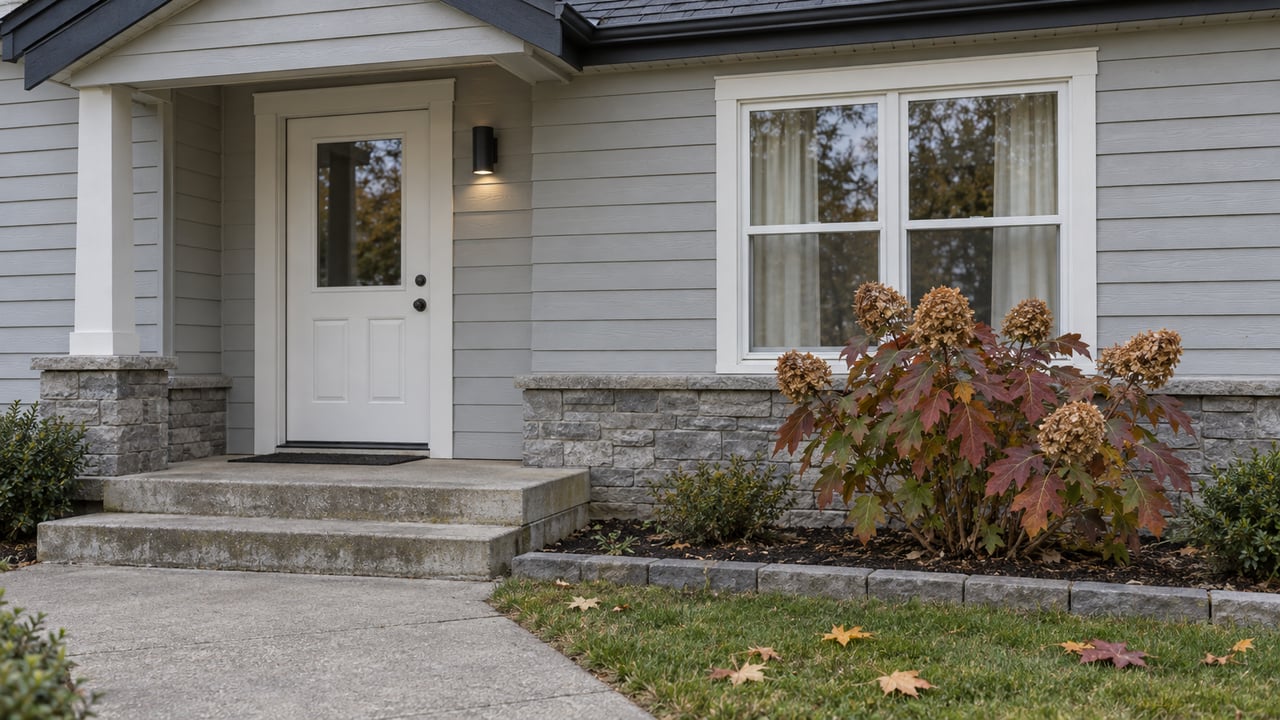
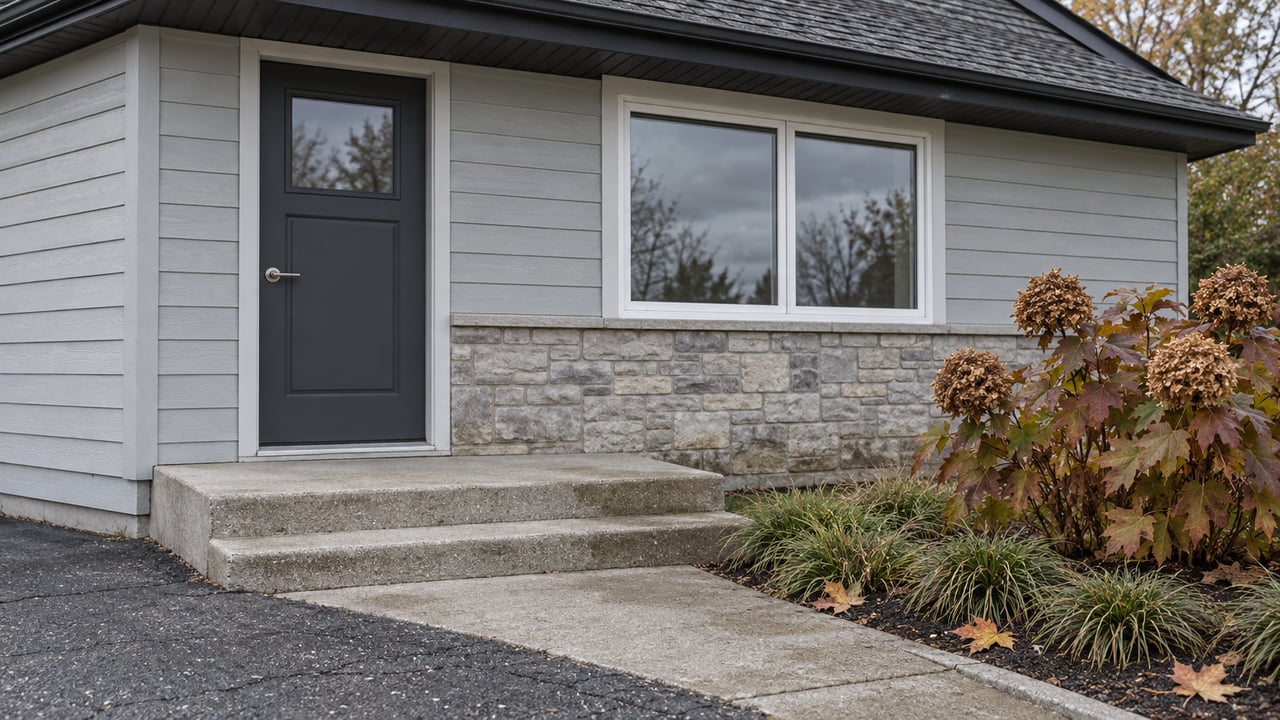
With a freehold property, you own the land and the building. That includes the structure, exterior, and yard. You control renovations and most day‑to‑day decisions, subject to municipal bylaws and any private covenants.
You are also responsible for maintenance. That means items like the roof, driveway, siding, windows, and foundation. You set your own standards for upkeep, but you should budget for both routine care and major repairs over time.
Many buyers choose freehold for privacy, outdoor space, and control. The tradeoff is higher variability in costs, including property taxes and repair expenses.
What condo ownership means
With a condominium apartment, you own the interior of your unit. The building structure, roof, corridors, amenities, and exterior land are common elements owned by the condo corporation. An elected board manages the property under the Condominium Act, bylaws, and rules.
You pay a monthly condo fee. This typically covers common‑element maintenance, building insurance, management, reserve fund contributions, and sometimes utilities. Fees vary based on building age, amenities, and the health of the reserve fund.
Condo living offers low maintenance, but it comes with rules. Buildings may have restrictions on pets, renovations, and rentals. You also share exposure to board decisions, fee increases, and possible special assessments if the reserve fund is short.
What condo townhomes mean
Townhomes in Mississauga can be freehold or condominium. A freehold townhouse works like any freehold home. You own the land and exterior and cover your own maintenance.
A condominium townhouse is different. You own the unit, and the condo corporation manages certain common elements. Depending on the declaration, the roof, driveway, or yard might be common elements or part of your unit. Always read the condominium declaration and plan to confirm maintenance responsibilities and rules.
Costs you should compare
When you compare ownership types, focus on the full picture of upfront and ongoing costs.
Upfront costs in Ontario
- Down payment rules: minimum 5 percent for homes under $500,000; 5 percent on the first $500,000 and 10 percent on the portion from $500,000 to $999,999; 20 percent for purchases at $1,000,000 or more. These federal rules apply to both freehold and condos.
- Land transfer tax: Ontario’s provincial land transfer tax applies in Mississauga. The City of Toronto’s extra municipal land transfer tax does not apply in Mississauga.
- Other items: legal fees, title registration, appraisal, and inspection. For condos, add the cost of a status certificate and legal review.
Monthly cost equation
Create a simple model to compare options on equal footing.
- For both: mortgage payment, property taxes, insurance, and utilities.
- For condos: add monthly condo fees and subtract any utilities included in those fees.
- For freehold: set aside a maintenance reserve. As a starting point, many buyers plan 0.5 to 1 percent of home value per year to cover future repairs.
Your all‑in monthly cost should include mortgage, taxes, insurance, utilities, and either a condo fee or a maintenance reserve. A condo’s lower purchase price may reduce your mortgage, but higher monthly fees can offset the savings. Run both scenarios to see which fits your budget and risk comfort.
Condo fees and reserve funds
Condo fees depend on building age, amenity level, utility coverage, and reserve fund strength. Older or amenity‑rich buildings often have higher fees. Ontario condo corporations must conduct reserve fund studies to plan for major repairs. If the fund is insufficient, owners may see fee increases or special assessments. Review these details before you buy.
Insurance differences
Freehold owners insure the entire home structure, contents, and liability. Condo unit owners usually insure unit interiors, improvements, contents, and liability. The condo corporation insures the building structure and common elements, so confirm coverage limits and any gaps.
Governance and legal checks
The legal review is different for freehold and condos, but both are critical.
For condo buyers
- Status certificate (Form 1): This package shows the condo corporation’s financial position, budget, reserve fund, legal actions, and any owner arrears. Have your lawyer review it before you firm up a deal.
- Declaration, bylaws, and rules: Confirm pet policies, rental rules, parking, renovation approvals, and noise or use rules.
- Minutes and financials: Read recent board and general meeting minutes, audited financial statements, and the reserve fund study. Look for planned repairs, disputes, fee changes, or litigation.
- Insurance: Verify what the corporation insures and what you must insure.
For freehold buyers
- Title and survey: Check for easements, encroachments, or restrictive covenants. Confirm that structures were built with permits and meet zoning.
- Home inspection: Evaluate structure, roof, foundation, electrical, plumbing, HVAC, and drainage.
- Municipal compliance: Confirm zoning and permitted uses, especially if you plan renovations or an accessory unit.
Cooksville vs Gordon Woods
Cooksville and Gordon Woods offer different settings that often influence the right ownership type.
Cooksville: transit‑oriented convenience
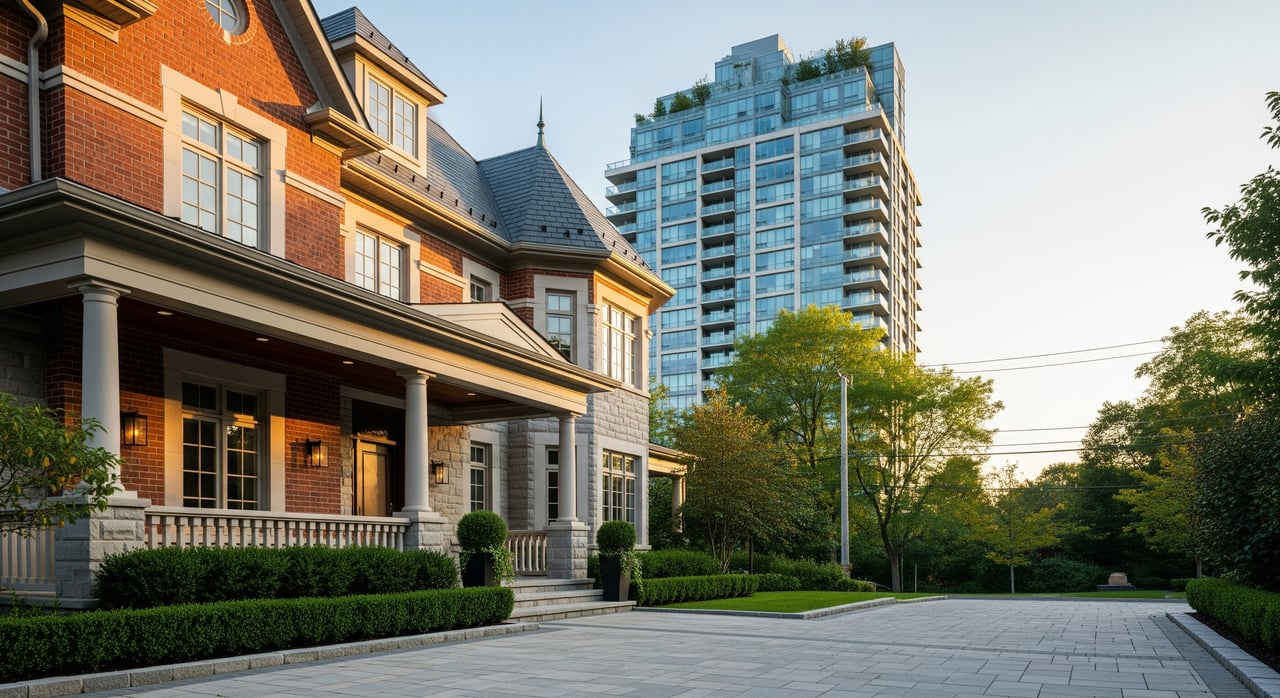
Cooksville sits near major corridors like Hurontario and Dundas with a mix of high‑ and mid‑rise condos, rental apartments, and some older freehold homes. The Hurontario LRT is a major transit upgrade for this corridor and supports transit‑oriented living.
- What often fits here: condo apartments are common and can offer a lower entry price with easy access to buses, shops, and services around Square One. Some condo townhomes and freeholds exist, especially farther from core commercial areas.
- What to watch: compare all‑in monthly costs and review condo governance, fees, reserve funds, and any planned capital projects. New developments and rental supply can affect resale conditions and rentability.
Gordon Woods: space and control
Gordon Woods is a lower‑density pocket near Cooksville with more freehold options like detached, semi‑detached, and townhomes. The area leans more car‑oriented compared to Cooksville’s core corridors.
- What often fits here: buyers seeking yard space, privacy, and control over property tend to look at freehold detached or townhomes. Some condominium townhomes may also be available in specific developments.
- What to watch: build a long‑term maintenance budget for major systems. Property tax exposure can be higher with larger lots and homes, and upkeep is on you.
A simple decision path
Use this framework to narrow your choice.
- Lifestyle and priorities
- Want low maintenance and on‑site amenities? Consider condos.
- Need a yard, garage, or private outdoor space? Consider freehold or freehold townhomes.
- Want quick access to transit and Square One? Many Cooksville condos fit this.
- Planning to rent the property at any point? Check condo rental rules versus freehold flexibility.
- Compute your all‑in monthly cost
- Mortgage + property taxes + insurance + utilities + maintenance reserve or condo fee.
- For condos: include fees and subtract any utilities covered by the building.
- For freehold: set a monthly reserve for future repairs.
- Governance and risk checks before an offer
- Condo: order the status certificate, review the budget, reserve fund study, and minutes. Ask about recent special assessments and fee increases.
- Freehold: confirm title, permits, survey, and inspection. Check zoning for planned changes.
- Financing and insurance
- Confirm mortgage approval and down payment sources.
- For condos: ensure the building’s insurance and financial position meet lender requirements. Align your unit insurance with the corporation’s coverage.
- Resale and exit planning
- Condos: smaller or highly specialized buildings can have longer days on market.
- Freehold: lot size and micro‑location often drive long‑term value.
Red flags to watch
- Unusually high condo fees for the amenity level.
- A small reserve fund with large near‑term projects.
- Repeated special assessments or frequent fee spikes.
- High arrears among owners or active litigation.
- For freehold: signs of unpermitted work, foundation or drainage issues, or recurring mechanical failures.
Next steps
If you are early in your search, map your lifestyle priorities, run the all‑in monthly cost for two or three scenarios, and decide how much maintenance you want to manage. In Cooksville, weigh convenience and governance factors in each building. In Gordon Woods, weigh land value, maintenance, and long‑term plans for the property.
When you are ready, get a tailored shortlist, on‑the‑ground context, and a clear cost comparison across specific addresses. For boutique, founder‑led guidance backed by national distribution, connect with CHK Real Estate. Our team brings deep South Mississauga expertise and a client‑first approach to help you buy with confidence.
FAQs
What is the difference between freehold and condo ownership in Mississauga?
- Freehold owners hold title to the land and structure and handle all maintenance. Condo owners hold title to the unit interior while the condo corporation maintains common elements under its rules and fees.
How do condo fees work and what do they cover?
- Condo fees fund common‑element maintenance, building insurance, management, reserve contributions, and sometimes utilities. Fee levels depend on building age, amenities, utility coverage, and the reserve fund’s strength.
What is a status certificate and why review it?
- A status certificate summarizes the condo corporation’s financial and legal health, including the budget, reserve fund, rules, and any legal actions. Your lawyer should review it before you commit to a condo purchase.
Are condo fees tax deductible for owners in Canada?
- Generally no. Condo fees are not deductible for most owner‑occupied units. Speak with a tax professional if you plan to rent the unit or have special circumstances.
How should I compare monthly costs for freehold vs condos?
- Build an all‑in model: mortgage, taxes, insurance, utilities, and either a condo fee or a maintenance reserve. Run two versions for the same price point to see which option fits your budget and comfort with risk.
What should Cooksville condo buyers focus on?
- Prioritize transit access, building condition, the size of condo fees, reserve fund health, and any planned capital projects that could affect fees or special assessments.
What should Gordon Woods freehold buyers focus on?
- Prioritize lot condition, roof and mechanical systems, drainage, and zoning for any planned renovations. Use local comparable sales to evaluate value and long‑term potential.