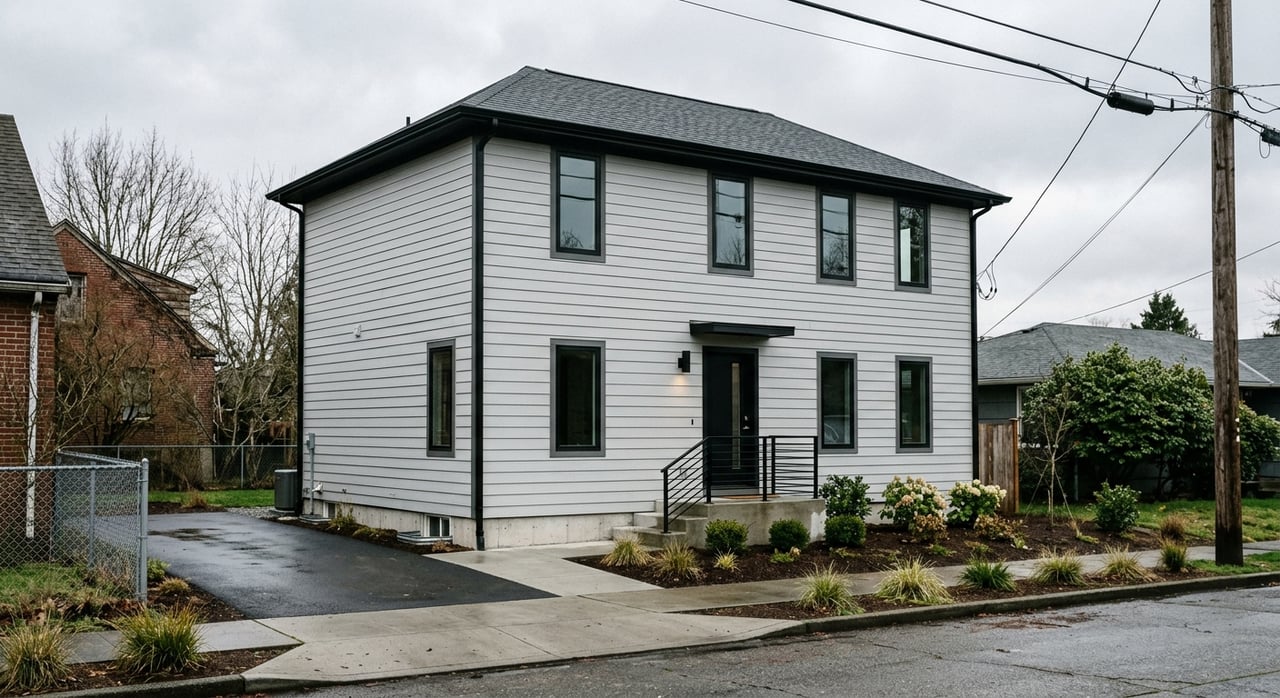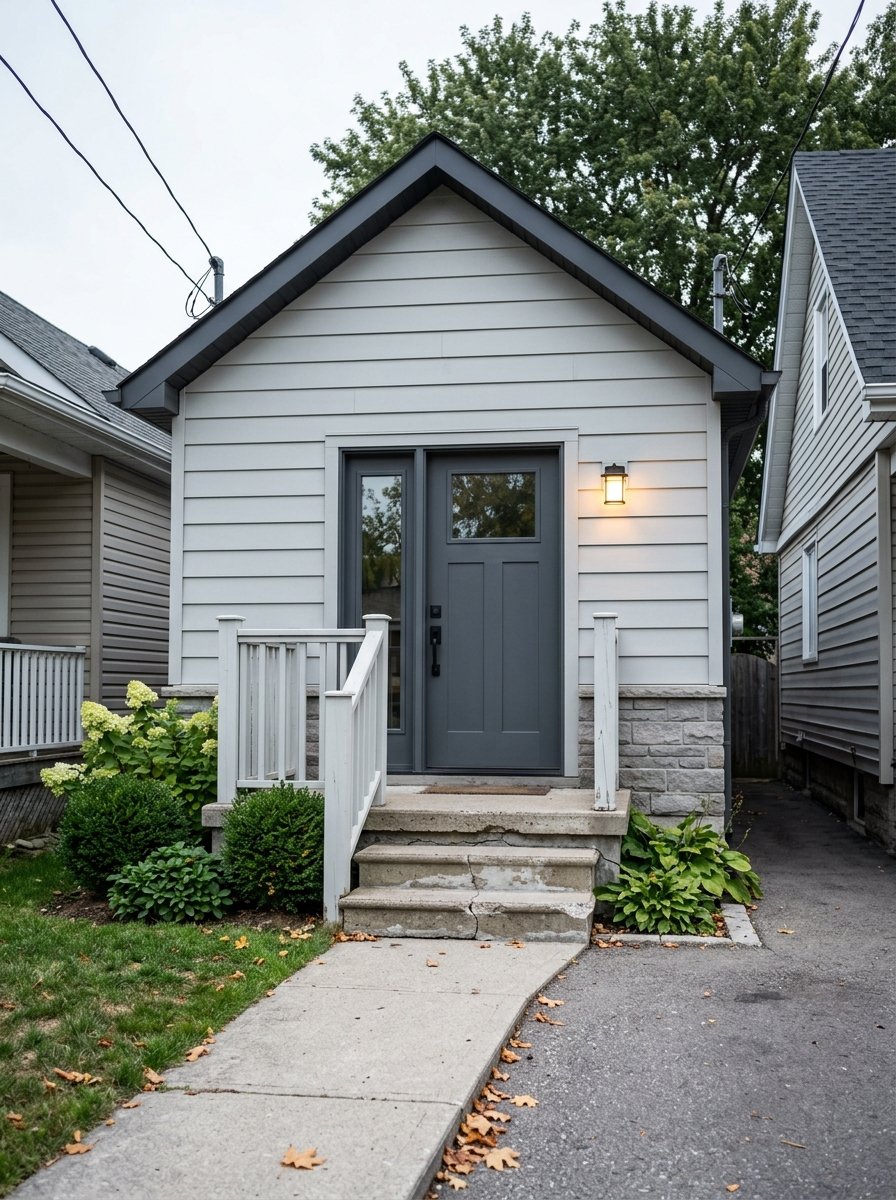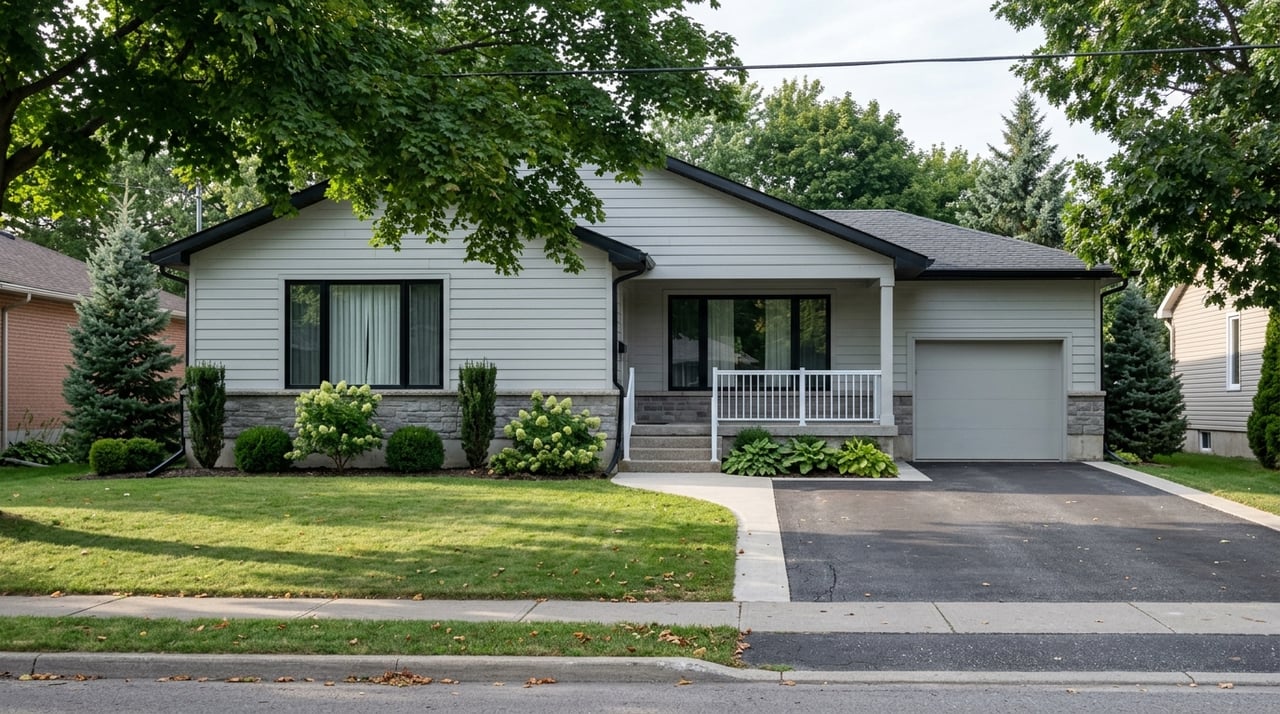
Thinking about your next move in Mississauga, but not ready to give up convenience for square footage? That is where Cooksville starts to stand out. If you want more space, better transit access, and a neighborhood with different housing options in one area, Cooksville deserves a closer look. Here’s what you should know before deciding if it fits your next chapter.
Why Cooksville appeals to move-up buyers
Cooksville offers something many Mississauga buyers are looking for: a mix of established residential streets and active urban growth. The City of Mississauga identifies Cooksville as one of its Growth Centres, which means it is planned for mixed-use development with lower heights and densities than the Downtown Core.
That matters if you want a balance of space and access. You are not choosing between a purely high-rise setting and a purely low-density area. In Cooksville, you can find both more urban blocks and quieter residential pockets within the same broader neighborhood.
The area is also larger than many people assume. The Cooksville SNAP area spans more than 355 hectares along Cooksville Creek in south-central Mississauga, which shows that Cooksville is not just a station stop or a single intersection. It includes a broader mix of residential and urban conditions.
Cooksville is already changing
Downtown Cooksville is in the middle of a real transformation. The City’s Vision Cooksville report describes the area around Dundas Street and Hurontario Street as a mix of commercial services, small businesses, restaurants, strip plazas, apartment buildings, townhouses, and offices.
The same report identifies Cooksville as a key development opportunity and says the downtown area’s population is expected to double by 2041. That makes it one of Mississauga’s faster-growing areas and helps explain why many buyers see Cooksville as a long-term lifestyle and value play.
If you are moving up from a condo, townhome, or smaller detached home, this kind of change can be appealing. You may be able to buy into a neighborhood that already offers strong transit and centrality, while also benefiting from continued investment in the area.
The housing story depends on where you look
This is the most important point for move-up buyers: Cooksville is not one single housing experience. Your day-to-day lifestyle can feel very different depending on which part of the neighborhood you choose.
Downtown Cooksville skews urban
In the City’s 2016 Vision Cooksville report, Downtown Cooksville was overwhelmingly made up of apartments and condominiums. The breakdown was 94% apartments or condominiums, 5.3% row houses, and 0.6% detached homes.
The report also anticipated future low-rise, mid-rise, and high-rise residential and mixed-use buildings, including family-oriented units and ground-floor housing. If your priority is walkability, transit, and proximity to daily services, the downtown edge may be a practical fit.
Detached pockets tell a different story
For buyers who want more land, more privacy, and a more established residential setting, the detached pockets are where the move-up story gets more interesting. These areas offer a very different feel from the blocks closest to the main urban corridor.
One standout pocket is Gordon Woods. The City’s cultural heritage landscape work describes it as a pre-1950s neighborhood southwest of Hurontario Street and The Queensway West, north of the QEW and Mineola, with large properties that are primarily single detached homes.
The same City work notes lush trees, long driveways, and a country-like feel, along with no curbs, gutters, or sidewalks. Survey feedback also highlighted deep front yards, narrow roadways, dense tree canopy, large lot sizes, wildlife, and a sense of tranquility.
If you are upsizing for more breathing room, this is the side of Cooksville worth studying closely. It offers a chance to stay central while still finding mature lots and a more private streetscape.
Transit is one of Cooksville’s biggest strengths
For many buyers, the biggest advantage of Cooksville is how connected it is. Metrolinx describes Cooksville GO as an integrated transit hub and public plaza with connections to the Milton Line, local transit, and the future Hazel McCallion Line.
The station improvements also include more than 750 additional parking spaces and eight new bus bays. That kind of infrastructure can make a real difference if your household depends on commuting flexibility or wants easier regional travel.
The City says the Hazel McCallion Line will provide 18 kilometers of rapid transit with 19 stops. It will connect Cooksville GO, Port Credit GO, the Mississauga Transitway, Square One GO Bus Terminal, Brampton Gateway Terminal, and key bus routes.
For move-up buyers, that means Cooksville is not just central on a map. It is becoming even more connected in practical, everyday ways.
Growth near the station adds long-term upside
The station area is also expected to see major transit-oriented growth. Infrastructure Ontario says the Cooksville GO transit-oriented community proposal could bring about 3,000 new homes, roughly 550 jobs, retail space, and pedestrian-friendly public space next to Cooksville GO and the future Hazel McCallion Line.
That does not mean every buyer will want to live right beside the station. It does mean the area’s future is being shaped by serious public and private investment, which can be important if you are thinking beyond your next move and looking at long-term neighborhood momentum.
Parks and public spaces are evolving too
Cooksville’s appeal is not just about housing and transit. The public realm is also seeing attention, especially around the Cooksville Creek corridor.
The City says it has added more than eight hectares of property to Cooksville Park and Iggy Kaneff Park through its parkland acquisition program. Redevelopment is intended to improve accessibility, flood resiliency, and natural areas.
The City also notes that Cooksville currently does not have a community centre, and a new Cooksville Community Centre and Library is being designed from 2026 to 2028. At the same time, the Cooksville SNAP focuses on safe and active mobility, fresh food access, and climate resilience.
For buyers planning several years ahead, these details matter. They point to a neighborhood that is not static and is receiving broader civic attention.
How Cooksville compares with other Mississauga options
If you are deciding between several Mississauga neighborhoods, Cooksville helps fill a very specific gap. It sits somewhere between the intensity of the Downtown Core and the quieter feel of more exclusively low-density areas.
Compared with Downtown Mississauga
The City says the Downtown Core has the highest densities, tallest buildings, and greatest mix of uses. Growth Centres such as Cooksville also support mixed uses, but at lower heights and densities.
For you, that can mean a bit more breathing room. Cooksville may offer more established residential streets and more land than the core, while still keeping strong access to transit and everyday amenities.
Compared with Mineola and Lorne Park
Cooksville also differs from more low-density neighborhoods like Mineola and Lorne Park. City heritage work describes Mineola as an area with natural topography, winding roads, mature trees, and a low-rise character, while Lorne Park Estates is described as a forested community with mature forest and shoreline character.
Those areas may appeal more if your top goal is a quieter and more secluded setting. Cooksville is often a better fit if you want centrality, transit access, and future growth potential, while still having the option to target a larger-lot pocket.
Is Cooksville the right move-up neighborhood for you?
Cooksville works best when your priorities are mixed, not one-dimensional. If you want more space but still care about transit, central location, and long-term neighborhood investment, it offers a combination that is hard to find elsewhere in Mississauga.
It may be especially worth a closer look if you are:
- Moving up from a condo or townhome and want more room without leaving the city’s core transit network
- Looking for detached-home pockets with mature trees and larger lots
- Open to a neighborhood that blends established residential streets with ongoing urban change
- Thinking about future value through transit-led growth and public investment
On the other hand, Cooksville may be less ideal if you want a uniformly quiet, low-density environment throughout the entire area. Its strength is variety, but that also means block-by-block differences matter a lot.
What to watch when you start your search
If Cooksville is on your shortlist, focus on the micro-location first. The experience near Hurontario and Dundas is very different from the experience in detached pockets like Gordon Woods.
As you compare homes, pay close attention to:
- Lot size and streetscape character
- Distance to GO Transit and future rapid transit stops
- Access to parks and creek corridor green space
- The balance you want between privacy and convenience
- How much nearby growth feels like a benefit for your lifestyle
That kind of street-level view is where good move-up decisions get made. In a neighborhood as varied as Cooksville, the right fit often comes down to matching the right pocket to your next stage of life.
If you are weighing Cooksville against other South Mississauga options, local context matters. The right advice can help you narrow in on the parts of the neighborhood that truly support your goals. To start that conversation, connect with CHK Real Estate for a personalized market consultation.
FAQs
Is Cooksville in Mississauga a good neighborhood for move-up buyers?
- Cooksville can be a strong option for move-up buyers because it combines central location, major transit access, ongoing public investment, and some larger-lot detached pockets within the broader neighborhood.
What types of homes are common in Cooksville, Mississauga?
- Housing in Cooksville varies by area, but Downtown Cooksville has been heavily apartment and condo based, while pockets such as Gordon Woods are known for primarily single detached homes on larger properties.
What makes Gordon Woods different from other parts of Cooksville?
- Gordon Woods is known for large lots, mature trees, long driveways, and a more country-like feel, which makes it especially relevant for buyers who want more space and a more established detached-home setting.
How is transit in Cooksville, Ontario?
- Transit is one of Cooksville’s biggest advantages, with Cooksville GO offering connections to the Milton Line, local transit, and the future Hazel McCallion Line, along with expanded station infrastructure.
Is Cooksville more urban than Mineola or Lorne Park?
- In general, yes. Cooksville is typically more central and transit-oriented, while Mineola and Lorne Park are better known for more secluded, low-density residential character.
Is Cooksville expected to grow in the coming years?
- Yes. City planning documents identify Cooksville as a key growth area, and the downtown population is expected to double by 2041, with major transit-oriented development planned near Cooksville GO.