What if your morning coffee came with lake breezes, marina views, and a short stroll to your favorite café? If you are drawn to a walkable, village feel without leaving Mississauga, Port Credit’s waterfront core delivers a lifestyle that feels both relaxed and energizing. In this guide, you will see what daily life looks like, the housing options, commute choices, and the real trade-offs to consider. Let’s dive in.
Where the core sits
Port Credit is a historic lakeside village within the City of Mississauga, tucked at the mouth of the Credit River on Lake Ontario. Locals often use the compact business district along Lakeshore Road and the immediate waterfront as the practical boundary for the “core.” Think short blocks, marina views, and a main street lined with cafés, restaurants, and independent shops.
The character here is distinct. You will notice a blend of heritage buildings and newer mid to high-rise condos close to the water. The result is a lively streetscape with a true village scale that stands out within suburban Mississauga.
Daily life on the waterfront
Living in the core means you can leave the car at home for most errands. The Lakeshore corridor is pedestrian-oriented with benches, patios, and storefronts that invite you to linger. The Credit River and harbour shape the experience, so expect a steady rhythm of people walking, cycling, and enjoying the water.
Walkability and street life
Most days, you can run simple errands on foot and loop through lakeside parks in the same outing. The waterfront core has short blocks and a high concentration of street-level shops that make quick stops easy. Depending on your exact address, you may be able to walk to the GO station, restaurants, and parks in minutes.
Parks and natural spaces
The Waterfront Trail runs through Port Credit, giving you a scenic route for walking, jogging, or cycling with lake views. Port Credit Memorial Park and small green spaces near the harbour are popular for picnics and community events. Just west of the village, Rattray Marsh Conservation Area offers boardwalk trails and protected wetland habitat that draws nature lovers and birders.
Marina and boating culture
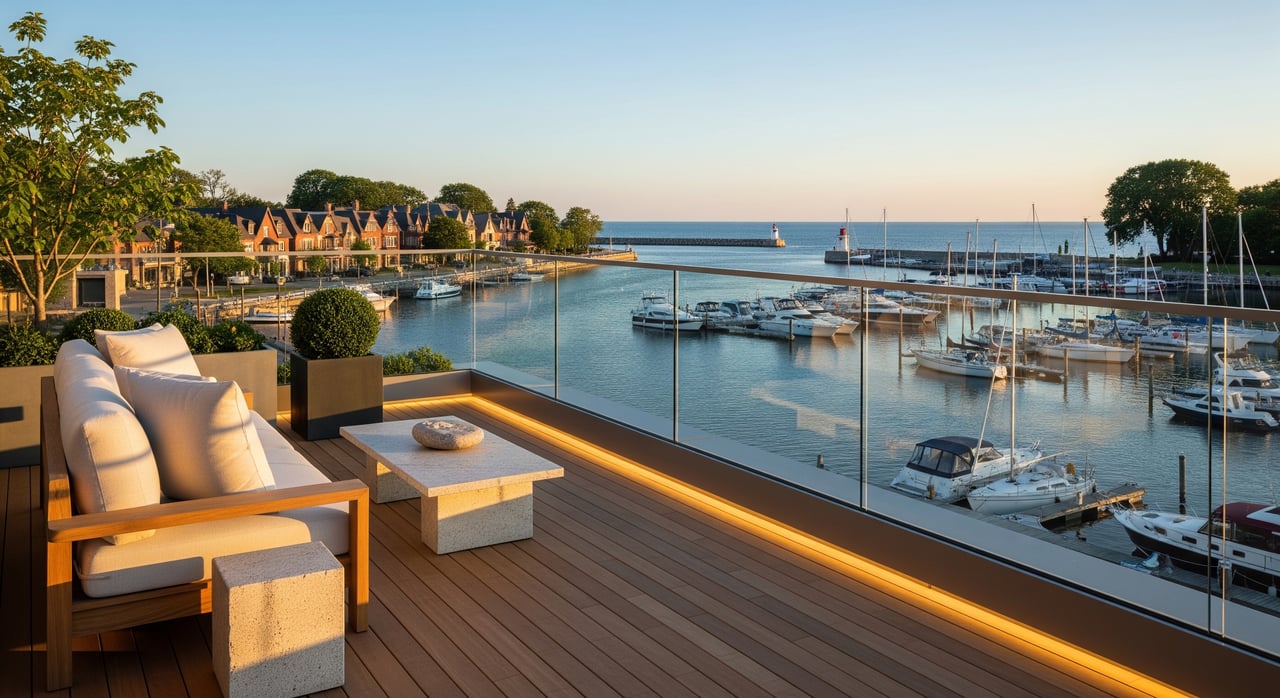
The harbour and the mouth of the Credit River create a clear boating identity. You will see seasonal sailboats, small craft, and fishing activity on warm days. Local yacht and sailing clubs host member and community events, and the sightlines across the lake make evening walks especially memorable.
Dining, shops, and events
You have a strong mix of restaurants, cafés, bakeries, and specialty shops that serve both residents and visitors. The Port Credit Business Improvement Area helps coordinate community events and promotions, so the calendar typically includes street festivals, music programming, and seasonal markets. Exact events vary year to year, but you can expect regular activity through spring, summer, and fall.
Housing at a glance
You will find a range of home types in and near the core. Close to the lake and along Lakeshore Road, newer mid and high-rise condominiums offer low-maintenance living with quick access to shops and transit. On the interior streets just off the main corridor, older detached and semi-detached homes, plus some townhouses, provide more traditional residential options.
What you will find
- Inland streets: character detached homes, semis, and pockets of townhouses.
- Waterfront corridors: mid to high-rise condo buildings, often with retail at street level.
- Mixed-use buildings: storefronts below, residences above, especially along the village main street.
Condos near the lake tend to attract professionals, downsizers, and buyers who prioritize walkability. Families who want more space often look to detached or semi-detached homes a few blocks from the water.
Development and planning context
The core has seen steady condo development along its main corridors, while the village storefronts and some heritage homes remain. Municipal planning and Port Credit neighbourhood plans guide where and how intensification occurs, shaping building heights, design, and the public realm. If you are buying with future value in mind, it is wise to review current city planning information during your due diligence.
Who it suits
Port Credit’s core is a fit if you want:
- Walkable, low-maintenance living with quick access to parks and cafés.
- Easy lake access for short recreational outings and an active outdoor routine.
- A vibrant village atmosphere with seasonal events and visitors.
It may not suit you if you need a large private yard, want lower housing costs, or prefer a car-first suburban setting. Those needs are often better met farther inland or in nearby communities.
Getting around and commuting
You have multiple ways to move around depending on your day. For many residents, regional rail is the easiest path to Toronto, while local bus routes and bike paths support daily errands without the car.
GO Transit and MiWay
Port Credit GO Station sits on the Lakeshore West line, with direct service to downtown Toronto and other stops along the corridor. Schedules vary by time of day, and many Toronto-bound commuters choose GO to avoid rush-hour highway delays. MiWay bus routes connect the core to other Mississauga neighborhoods and transit hubs, filling gaps for short trips.
Driving and parking
Lakeshore Road is the main east-west artery through the village, and the QEW is a quick drive north for broader GTA access. Parking in the core is managed with time limits, permits, and municipal lots. Condo buildings vary in how they allocate parking, so confirm number of spaces and visitor parking policies before you buy.
Biking and active travel
The Waterfront Trail gives you a continuous route for cycling and walking along the lake. Village streets and nearby bike lanes make short rides to shops, parks, and the GO station feel straightforward.
Future transit
The Hurontario LRT project is set to improve north-south connections across Mississauga. Timelines and stop details have evolved over time, so if transit access is a priority, verify current construction status and opening plans as part of your research.
Benefits and trade-offs
Every neighborhood has strengths and compromises. Here is a clear look at both.
Strengths
- Village scale with a rich mix of local dining and retail.
- Waterfront access, marina views, and quick nature escapes.
- Direct GO rail access for practical Toronto commutes.
- Active lifestyle options from the Waterfront Trail to community events.
Trade-offs
- Premium pricing compared with more interior suburban areas.
- Growing condo density and seasonal visitor traffic can affect parking and noise.
- Limited large-lot detached homes within the immediate core; more options sit farther inland.
How it compares nearby
If you are weighing other GTA waterfront pockets, consider the differences in scale, feel, and access.
- Humber Bay Shores/Mimico: Expect more high-rise clusters and master-planned towers. Port Credit retains a stronger low-rise village main street with independent retail.
- Toronto Harbourfront/Distillery/The Beach: Toronto’s waterfront is denser, more urban, and typically pricier. Port Credit offers a smaller-scale alternative with a marina presence and easier parking.
- Oakville’s Bronte/Old Oakville: Oakville shares the village feel and heritage streetscapes. Port Credit is often more transit-connected to Toronto by GO rail, and relative affordability can vary by housing type and micro-location.
Practical buyer checklist
Do a thorough review so your purchase fits your lifestyle and risk profile.
- Verify flood and shoreline considerations. Properties near the Credit River mouth or lakefront may fall within regulated areas. Confirm maps and insurance implications with the relevant authorities and your insurer.
- Review parking details. Check on-street rules, permit options, and condo parking allocations for both residents and visitors.
- Understand seasonal rhythms. Expect busier weekends and summer events near the harbour. Visit at different times of day and across seasons.
- Confirm school and program details. Port Credit has access to local elementary schools and citywide secondary schools. Review specific catchments and enrollment directly with the boards to ensure fit.
- Check condo status and rules. If buying a condo, review reserve funds, maintenance fees, pet policies, and any special assessments.
- Plan your commute. Compare GO train schedules and local bus connections with your daily routine. If you drive, test your route at typical travel times.
- Review municipal taxes and services. Confirm parcel-level tax details with the City and note any local bylaws that could affect renovations or use.
A day in the life
Picture this: You start with a stroll along the Waterfront Trail, watching boats ease out of the harbour. You grab a latte on Lakeshore Road and pick up fresh bread from a local bakery. After work, you meet friends on a patio, then wander to the river’s edge for sunset. On weekends, you browse a seasonal market, cycle to Rattray Marsh, or book a sailing lesson. It is a routine that feels simple, active, and connected.
Who we help
Whether you are a young professional eyeing a low-maintenance condo, a family looking for a character home near parks, or a downsizer trading a large yard for lake views, you will find options in Port Credit’s core. If you want clear guidance on micro-locations, building-by-building nuances, or the best streets for your lifestyle, our local perspective can make the difference.
Ready to explore homes in Port Credit’s waterfront core or compare nearby pockets? Connect with the team at CHK Real Estate for a personalized, local plan.
FAQs
Is Port Credit’s waterfront core walkable?
- Yes. The compact village streets, Lakeshore corridor, and proximity to parks and the GO station make it easy to run errands and enjoy daily routines on foot, depending on your exact address.
What types of homes are in Port Credit’s core?
- You will find mid and high-rise condos near the water and along Lakeshore, plus older detached, semi-detached, and townhouse options on interior streets.
How long is the commute to downtown Toronto from Port Credit?
- Many residents take the GO train on the Lakeshore West line. Trip times vary by schedule and time of day, so check current timetables to match your routine.
Are there schools and parks near the Port Credit core?
- Yes. The area includes local elementary schools and access to Mississauga secondary schools, along with parks, the Waterfront Trail, and nearby Rattray Marsh.
Is the waterfront core noisy or crowded at times?
- Seasonal events, marina activity, and weekend visitors increase buzz and traffic in warmer months. Many residents view this as part of the village’s vibrancy.
How does Port Credit pricing compare to other waterfront areas?
- Homes near the lake and village amenities often command a premium versus interior neighborhoods. For current numbers, review recent sold data and local market reports.
What should buyers check before purchasing near the water in Port Credit?
- Review floodplain and shoreline considerations, parking rules, condo or property details, and your commute options. Visit at different times and seasons before you decide.